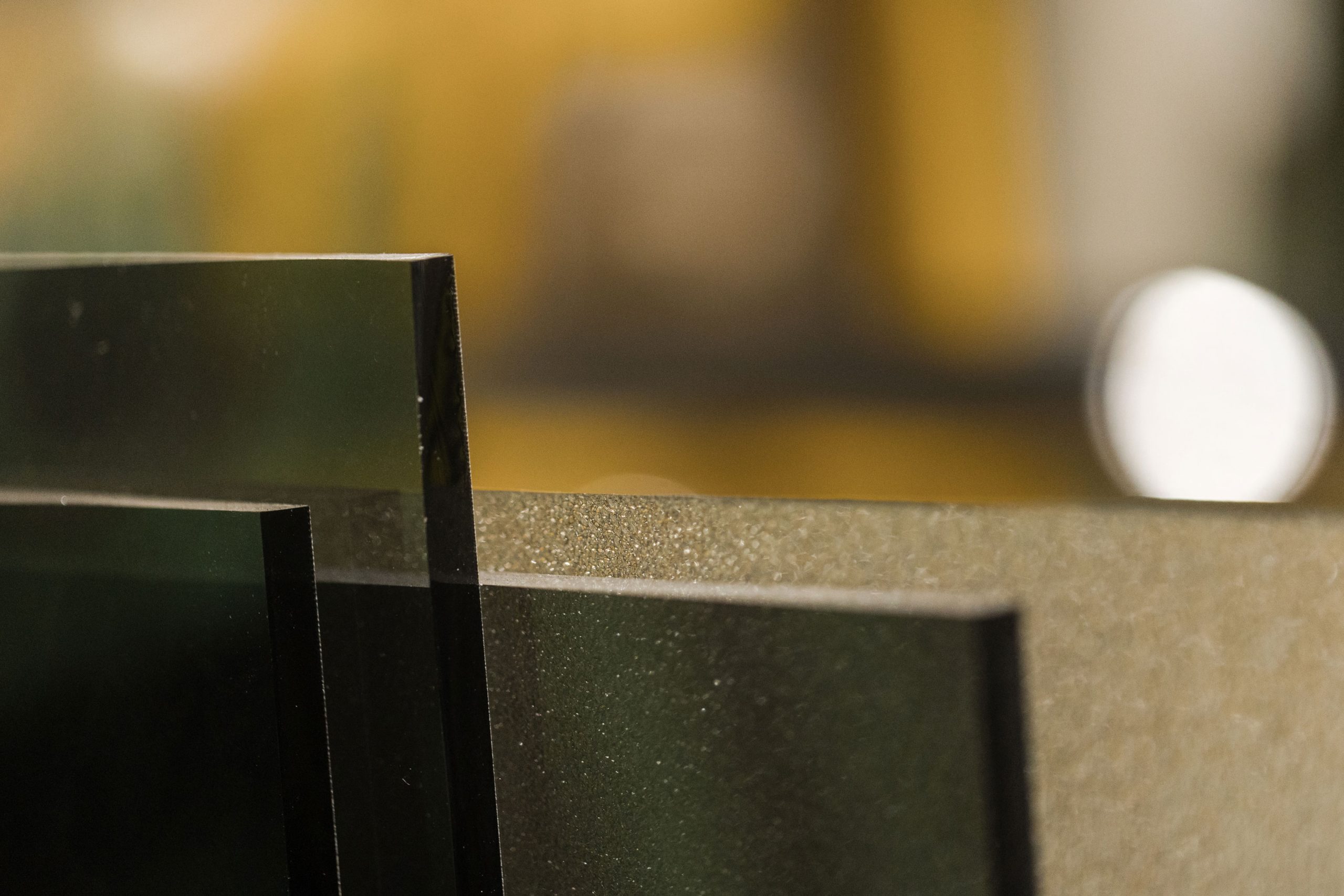
Preventing Glass Edge Damage Through Safe Work Practices
Why edge protection matters
For window fabricators, glaziers and installers, glass edge quality can be critical to product performance. While glass surfaces are designed to withstand load and environmental exposure, the edges are far more vulnerable to damage. Even minor chips or flaws can compromise strength, increase the risk of breakage, and lead to costly delays on site.
To reduce edge damage, safe work practices and glass handling practices, through all steps of the glass processing and installation journey, will help to ensure your finished product performs as intended – and reduces unnecessary waste, rework and call-backs.
Areas of most risk for edge damage include:
- Glass handling in the factory or on site – accidental knocks, impacts of cut squares around cutting tables, poor lifting techniques and correct and careful placement of panels onto suitable rack and trolley surfaces.
- Storage in racks or stillages – separation and interleaving of oddment sizes and even load distribution across racks and trolleys.
- Transport between locations – separation and interleaving of oddment sizes and any movement or vibration are sufficiently restrained by clamps and other restraining devices.
- Installation on site – as per above when moving panels around sites in addition to ensuring no contact with hard surfaces when unloading from racks. Any installation into metal frames is to be onto prescribed glazing blocks and separation pieces, ensuring panels are sized with sufficient frame clearances and not forced into place.
Understanding these risk points allows you to take proactive steps to minimise damage.
Safe work practices to reduce risk
Handle glass correctly at every stage
Consistent handling practices and maintained work surfaces are one of the most effective ways to prevent edge damage:
- Ensure cutting tables are regularly maintained and suitably covered and free of glass debris.
- When moving panels onto trolleys and racks, always lift – never drag – glass panels.
- Use appropriate equipment such as suction lifters or mechanical aids including maintained rollers.
- Maintain clear communication when team lifting.
- Keep edges away from hard surfaces during movement.
- Keep glass edges isolated from metal, concrete, or other hard surfaces by using rubber, foam, carpet, or similar protective linings on contact points.
Small lapses in handling can result in immediate or hidden damage that only becomes apparent later.
Protect edges during storage and transport
Glass should always be supported and separated to avoid edge-to-edge contact:
- Use interleaving materials such as cork separators, foam or paper.
- Ensure racks and stillages have soft, non-abrasive contact points.
- Apply temporary edge protection, such as pool noodles, where appropriate.
- Avoid overloading or overcrowding storage systems.
- Line racks, frames and restraints with rubber, foam, carpet or other durable protective coatings (such as hard neoprene) to prevent edge‑to‑metal contact.
These measures reduce both edge damage and long-term stress on edges after installation.
Store glass in stable, controlled conditions
Correct storage setup is essential for maintaining edge integrity:
- Store glass vertically at a slight angle.
- Ensure weight is evenly distributed across the base.
- Keep storage areas clean and free from debris.
- Regularly inspect racks and supports for wear or damage.
Effective storage reduces both edge damage and long-term stress on edges after installation.
Secure loads for transport
Transport is a high-risk stage if glass is not properly restrained:
- Use purpose-built A-frames or transport racks.
- Secure loads with straps or clamps with protective padding.
- Minimise movement between panes and ensure interleaving or separator materials are effective at separating raw edges from surfaces of adjacent panels.
- Check load stability before departure and on arrival.
Even minor vibration over long distances can contribute to edge damage if panels are not sufficiently separated and restrained.
Prepare the site before installation
A well-prepared site reduces unnecessary handling and risk:
- Clear access routes and installation areas.
- Check frames and openings for alignment and debris.
- Ensure adequate tolerances before bringing glass into position.
- Avoid forcing glass into tight or uneven openings.
Planning ahead helps prevent last-minute adjustments that can result in impacts and damaged edges.
Inspect before installation
A final check can prevent compromised glass from being installed:
- Inspect edges for chips, cracks or imperfections.
- Set aside any damaged panels.
- Confirm glass is suitable before glazing.
Catching issues early avoids failures in service and potential safety risks.
Supporting better outcomes on every project
Preventing edge damage is not just about protecting the glass – it’s about improving efficiency, reducing waste and delivering consistent quality to your customers.
By embedding safe work practices across fabrication, handling and installation, you can:
- Minimise breakage and rework.
- Improve installation efficiency.
- Reduce project delays.
- Maintain product performance and compliance.
Partnering for quality
At Viridian, we understand the challenges faced by fabricators, glaziers and installers across every stage of the supply chain. Protecting glass edges through safe work practices is a simple but critical step in achieving reliable, high-quality outcomes on every project.
For more guidance or support, contact your Viridian representative.